


Why managing accounts receivable is actually about building deeper business trust
Beyond the Balance Sheet: Why AR is a Relationship Tool
For many small business owners, managing accounts receivable (AR) feels like a chore—a necessary but often uncomfortable process of chasing payments. However, if you view AR solely through the lens of cash flow, you are missing its most significant strategic value. At its core, accounts receivable is a critical touchpoint in the customer journey. It is where the promises made during the sales process meet the reality of financial execution.
When managed correctly, your AR process does more than just secure your revenue; it builds a foundation of professional trust and mutual respect. In the world of B2B commerce, where long-term partnerships are the lifeblood of growth, how you handle money says more about your brand than any marketing campaign ever could.
Transparency: The Foundation of Financial Trust
Trust in business is built on predictability. When a client receives an invoice that is clear, accurate, and delivered on time, it signals that your business is organized and reliable. Conversely, a confusing or late invoice creates friction. It forces your client to spend time investigating discrepancies, which can lead to frustration and a breakdown in the professional relationship.
The Power of Precision in Invoicing
To build trust through your billing, precision is non-negotiable. An invoice should never be a surprise. It should clearly outline the work performed, the agreed-upon rates, and the payment terms. When you provide detailed, easy-to-read invoices, you are telling your client: "We value your time and we are transparent about our value."
Setting Clear Expectations from Day One
Trust starts before the first invoice is even sent. During the onboarding phase, take the time to discuss your payment processes. Ask your clients about their internal approval workflows. By aligning your AR process with their accounts payable system, you demonstrate a level of empathy and partnership that goes beyond a simple transaction.
Consistency and Professionalism in Follow-ups
Many business owners hesitate to follow up on overdue payments because they fear it might damage the relationship. In reality, the opposite is true. A lack of follow-up can signal a lack of professionalism or a lack of care regarding your own business health.
A consistent, polite follow-up schedule actually provides a sense of security to your clients. It shows that you have robust systems in place. When follow-ups are handled with a helpful, "check-in" tone rather than an accusatory one, they become an opportunity to solve problems. Perhaps the client missed the email, or perhaps there is a temporary cash flow issue they need help navigating. By reaching out, you open a channel for honest communication.
How Fintech and Automation Reduce Friction
One of the biggest killers of business trust is human error. Manual data entry, lost emails, and forgotten reminders can lead to awkward conversations and strained ties. This is where fintech innovation becomes a relationship-saver. Using automated platforms to manage your accounts receivable removes the "personal" awkwardness of debt collection and replaces it with a standardized, professional system.
Digital trade platforms and automated AR tools allow for:
- Automated Reminders: Clients receive gentle, system-generated prompts, which feel less like a personal attack and more like a standard business procedure.
- Real-Time Tracking: Both parties can see the status of an invoice, reducing the need for "Did you get my email?" conversations.
- Secure Payment Portals: Making it easy for clients to pay you is a form of customer service. The less friction there is in the payment process, the more likely they are to view you as a preferred partner.
Actionable Steps to Improve Your AR Trust-Factor
If you want to transform your accounts receivable from a administrative burden into a trust-building engine, consider implementing these practical steps:
- Standardize Your Timeline: Send invoices on the same day every month or immediately upon project completion. Predictability breeds comfort.
- Offer Multiple Payment Methods: Flexibility is a sign of a modern, customer-centric business. Whether it’s credit cards, ACH, or digital wallets, give your clients choices.
- Personalize Your Outreach: While automation is great, a personal note on the invoice or a quick "thank you" once payment is received goes a long way in humanizing the digital transaction.
- Audit Your Invoices for Clarity: Look at your current invoice template. Is the "Due Date" prominent? Are the line items self-explanatory? If not, redesign it for the user experience.
The Long-Term Dividend of a Healthy AR Process
When you prioritize trust in your accounts receivable management, you create a virtuous cycle. Clients who trust your billing process are more likely to pay on time. Timely payments lead to healthier cash flow for you, which allows you to invest back into providing better service for those same clients.
Ultimately, managing accounts receivable is about more than just getting paid. It is about confirming that you are a professional, reliable, and organized partner. In the competitive landscape of modern B2B trade, that reputation is your most valuable asset. By treating every invoice as a bridge rather than a barrier, you turn your financial operations into a powerful tool for long-term business loyalty.


Why small businesses are finally moving toward automated accounts payable
The Quiet Evolution of the Ledger
For decades, the image of the small business owner was one of quiet resilience amidst a sea of paperwork. There was a certain tactile gravity to the manual ledger—the scratch of a pen on a check, the physical filing of an invoice, and the rhythmic sound of a stapler. These actions felt like the very heartbeat of commerce. They represented control, a hands-on approach to every cent that entered or exited the business. But as we stand at the intersection of traditional trade and the digital revolution, that once-comforting clutter has begun to feel like a weight.
This shift toward automation aligns perfectly with the broader adoption of blockchain-based trading platforms, which provide the trust and speed required for modern global commerce.
Today, a profound shift is occurring. Small businesses, the backbone of global commerce, are finally moving toward automated accounts payable (AP). This transition is not merely a chase after the latest tech trend; it is a reflective realization that time, our most finite resource, is being squandered on tasks that no longer require a human soul to perform. At ModulTrade, we see this as more than a technological upgrade—it is a liberation of the entrepreneurial spirit.
The Burden of the Manual Mindset
Why did it take so long? To understand the move toward automation, we must first contemplate why we held onto the manual process for so long. For many, manual AP was a security blanket. There was a belief that if a human eye didn’t scan every line item and a human hand didn’t sign every check, the business was vulnerable. There was a fear that automation would lead to a loss of oversight or, worse, a loss of the personal relationships built with vendors over years of phone calls and paper trails.
However, reflection reveals a different truth. The manual mindset often breeds the very errors it seeks to prevent. A misplaced decimal, a duplicate payment, or a forgotten invoice sitting at the bottom of an inbox—these are the hallmarks of a system stretched too thin. Small business owners are recognizing that true control doesn’t come from touching every piece of paper; it comes from having a clear, transparent view of the entire financial landscape in real-time.
The Turning Point: Why Now?
The catalyst for this shift has been a combination of global necessity and the maturation of fintech innovation. As businesses move toward blockchain-based platforms and smart contracts, the old ways of managing payables feel increasingly dissonant. The digital trade revolution has taught us that speed and trust are not mutually exclusive. In fact, in the modern market, speed is often the foundation of trust.
Small businesses are moving toward automated AP because the world has become more complex. Global supply chains, once the domain of giants, are now accessible to the smallest of enterprises. Managing international payments, currency fluctuations, and varying tax regulations manually is no longer just difficult—it is a barrier to growth. Automation offers a bridge across this complexity.
The Hidden Gifts of Automation
When we look beneath the surface of software and code, what does automated accounts payable actually provide to a small business? It is more than just digital filing. It is a fundamental restructuring of how a business breathes. Consider the following benefits that are driving this quiet migration:
- Reclaimed Intentionality: By removing the drudgery of data entry, business owners can redirect their focus toward strategy, creativity, and the human relationships that actually drive growth.
- Enhanced Financial Clarity: Automation provides a mirror into the business’s health. With real-time data, cash flow forecasting shifts from guesswork to an informed art form.
- Strengthened Vendor Trust: In the world of trade, reputation is currency. Automated systems ensure that payments are timely and accurate, fostering a level of reliability that manual processes struggle to match.
- Security and Compliance: Modern fintech platforms offer layers of encryption and audit trails that far surpass the security of a physical filing cabinet.
The Soul of the Modern Enterprise
There is a certain poetry in the way technology is allowing us to become more human. By delegating the mechanical, repetitive tasks of accounts payable to intelligent systems, we are not removing the human element from business; we are elevating it. We are choosing to spend our mental energy on solving problems, innovating products, and connecting with our communities rather than reconciling bank statements until midnight.
At ModulTrade, we believe that the move toward automated AP is a sign of a maturing global economy. It reflects a shift from survival mode—where every task is a struggle—to a state of intentional growth. Small businesses are realizing that to compete on a global stage, they must embrace the tools that allow them to move with agility and grace.
Looking Forward: A Future Unburdened
As we look toward the future of fintech and digital trade, the automation of accounts payable is just the beginning. It is the first step in a larger journey toward a fully integrated, transparent, and frictionless trading environment. For the small business owner, this means less time looking down at the desk and more time looking up at the horizon.
The move toward automation is a reflective choice to let go of the past to make room for the future. It is a realization that while the old ledgers served us well, the new digital landscape offers a path to a more sustainable and fulfilling way of doing business. The paper is fading, but the vision has never been clearer.

Fintech Meets Global Commerce: The Digital Trade Revolution
The global economy is entering a new era — one where finance and technology merge seamlessly to create smarter, faster, and more inclusive trade systems. As barriers between borders dissolve, fintech innovation is revolutionizing how businesses buy, sell, and collaborate across the world.
Welcome to the Digital Trade Revolution — where fintech meets global commerce to unlock efficiency, transparency, and opportunity like never before.
The Shift Toward a Borderless Economy
Traditional trade has long been burdened by slow documentation, limited access to financing, and reliance on outdated intermediaries. In contrast, digital trade platforms powered by fintech solutions have reshaped the playing field.
From blockchain-enabled contracts to AI-driven credit assessments, these innovations are enabling faster deals, reducing fraud, and empowering small and medium-sized enterprises (SMEs) to participate in global trade without traditional gatekeepers.
In this new digital-first landscape, speed and transparency are the new currency.
The Key Drivers of the Fintech-Trade Transformation
1. Smart Contracts: The Backbone of Digital Trust
Fintech has brought automation to international trade through smart contracts, which execute transactions only when pre-set conditions are met. This ensures accuracy, accountability, and trust, eliminating the need for middlemen.
With every agreement recorded on a secure digital ledger, businesses can finally trade with confidence and efficiency.
2. Digital Payments: Instant and Borderless
Cross-border payments that once took days now happen in seconds thanks to fintech payment gateways and decentralized finance systems. Businesses benefit from lower fees, reduced risks, and seamless conversions across currencies — a major leap toward a truly global economy.
For enterprises navigating multiple markets, digital payments are the key to scalability.
3. AI-Driven Credit and Risk Management
Fintech solutions are redefining how businesses assess risk. Through AI-powered analytics, companies can evaluate creditworthiness using real-time transaction data, not just outdated financial records.
This shift gives smaller exporters and importers equal access to trade financing, accelerating growth in emerging markets and creating a more inclusive global trade network.
4. Blockchain-Powered Transparency
In the digital trade ecosystem, transparency equals trust. Blockchain technology records every step of a transaction — from product origin to delivery — ensuring traceability and authenticity across complex supply chains.
This not only combats fraud but also supports ethical trade practices and sustainability accountability, aligning with global ESG goals.
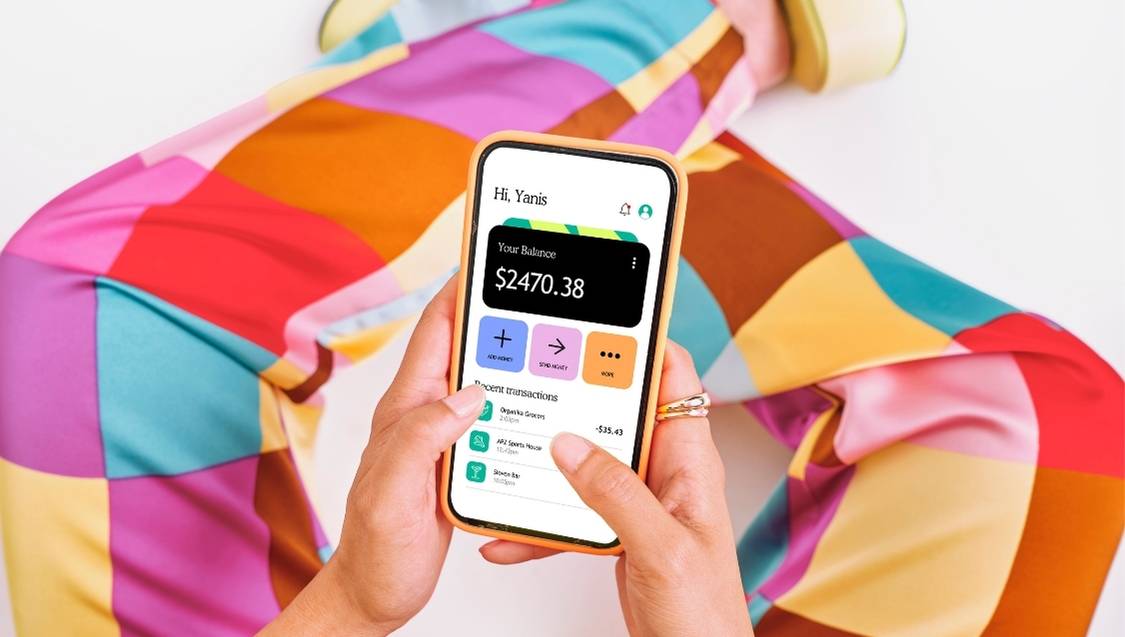
The Global Impact: Trade Without Borders
The integration of fintech into global commerce is reshaping how nations, corporations, and individuals connect economically.
Companies that embrace digital trade tools are gaining a significant competitive edge — reducing costs, improving liquidity, and enabling faster market entry.
In emerging economies, fintech is closing the gap between local producers and international buyers, fostering growth and financial inclusion on a scale once thought impossible.
The Road Ahead
As AI, blockchain, and digital finance continue to evolve, global commerce will become increasingly data-driven and decentralized. Traditional trade finance will give way to smart ecosystems, where transactions are instant, verifiable, and secure.
The Digital Trade Revolution isn’t a prediction — it’s already happening. Businesses that adapt today will define the future of commerce tomorrow.
For those interested in learning more about Ria CIPW, this resource provides valuable insights and information on the topic.
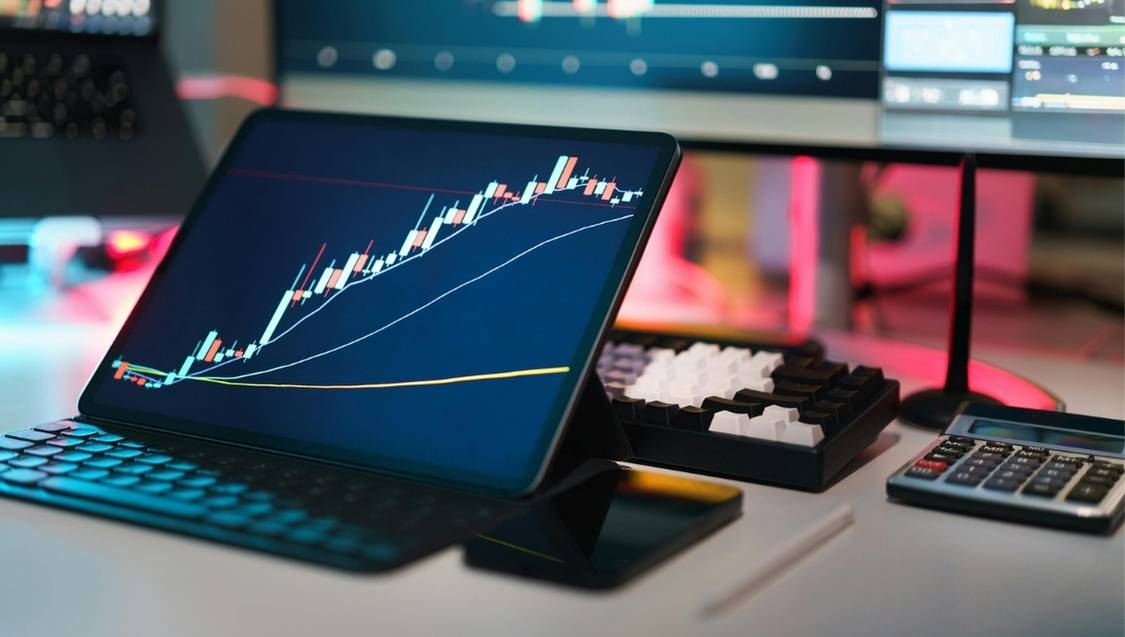
Why Businesses Are Moving Toward Blockchain-Based Trading Platforms
In the fast-evolving world of global commerce, trust, transparency, and speed have become the defining pillars of success. Traditional trade systems — dependent on banks, brokers, and outdated verification processes — are no longer enough to support the demands of a connected, digital-first economy.
Enter blockchain-based trading platforms, the next major leap in fintech and trade technology, designed to streamline transactions, reduce costs, and eliminate the friction that has long hindered international business.
From startups to multinational corporations, businesses are rapidly transitioning toward blockchain-driven systems to stay competitive in the era of digital trade.
The Shift from Traditional to Decentralized Trade
Conventional trade relies on intermediaries — institutions that authenticate, fund, and process cross-border deals. While effective in the past, this model is slow, costly, and vulnerable to human error and fraud.
Blockchain technology changes that. It introduces a decentralized digital ledger where all trade data is securely stored, verified, and shared across participants in real time.
Every transaction becomes immutable, auditable, and traceable, creating an unprecedented level of trust between trading partners — even if they’ve never met.
Key Reasons Businesses Are Making the Move
1. Transparency Builds Credibility
In traditional systems, verifying authenticity across supply chains is a complex, manual process. With blockchain, every step — from order creation to payment confirmation — is recorded on a shared, tamper-proof ledger.
This transparency eliminates data manipulation, builds trust among partners, and gives customers visibility into the origin and ethics of their purchases.
2. Faster, More Secure Transactions
Blockchain-based platforms cut transaction times from days to minutes. Smart contracts automatically execute payments once agreed conditions are met — no manual intervention or third-party delays.
The result: reduced settlement risk, instant confirmations, and a smoother cash flow for both buyers and sellers.
3. Cost Efficiency Through Automation
Intermediaries such as banks, lawyers, and auditors add significant overhead to every trade.
By using self-executing smart contracts, businesses remove redundant middle layers, saving both time and money.
Automation also minimizes human error and reduces compliance costs — delivering operational efficiency at scale.
4. Global Accessibility for SMEs
Historically, small and medium-sized enterprises (SMEs) have struggled to access global markets due to credit limitations and bureaucratic barriers.
Blockchain trading platforms level the playing field, allowing smaller firms to prove credibility through verified digital identities and transaction histories on the blockchain.
This means more open trade, easier cross-border payments, and broader participation in global commerce.
5. Enhanced Security and Fraud Prevention
Blockchain’s distributed ledger structure makes it nearly impossible to alter or forge records without detection.
Each transaction is cryptographically secured, ensuring data integrity across all parties.
This not only reduces fraud but also strengthens cybersecurity for companies managing high-value international trades.

Real-World Adoption Is Already Underway
Major players across logistics, finance, and energy are already embracing blockchain-based trading ecosystems.
From automated letter-of-credit platforms to tokenized commodities exchanges, the technology is quickly becoming the new foundation of digital trade infrastructure.
Governments and international organizations are also recognizing blockchain’s potential to streamline customs, enhance traceability, and reduce trade finance gaps — especially in emerging markets.
The Future of Blockchain in Global Commerce
As global economies become more digital, blockchain will evolve from a competitive advantage to a baseline requirement for trade participation.
The integration of AI-driven analytics, IoT tracking, and tokenized assets will further enhance data-driven decision-making and supply chain visibility.
Businesses that adopt blockchain trading platforms early will not only cut costs and improve efficiency — they’ll position themselves as trusted, agile players in the future of international trade.
Final Thoughts
The move toward blockchain-based trading platforms isn’t just a technology trend — it’s a strategic shift toward transparency, speed, and global accessibility.
By removing the friction of intermediaries and enabling secure, automated transactions, blockchain is setting the stage for a new era of digital trust in commerce.
For businesses seeking to expand, innovate, and compete globally, the time to adopt blockchain is now — before it becomes the standard for how the world trades.
For those interested in learning more about capital allocation, this resource provides valuable insights and information on the topic.

The Future of Fintech: Smart Contracts and the Rise of Digital Trade
The global trade landscape is undergoing a seismic transformation — driven by fintech innovation, blockchain technology, and smart contracts that eliminate inefficiencies and redefine trust in commerce.
As digital ecosystems mature, the future of trade is not only faster and smarter but autonomous, transparent, and borderless.
Fintech pioneers are at the forefront of this evolution, replacing outdated systems with decentralized digital solutions that empower businesses of every size to trade securely across the globe.
What Are Smart Contracts — and Why They Matter
A smart contract is a self-executing digital agreement coded on the blockchain. Unlike traditional contracts that rely on intermediaries, smart contracts automatically enforce terms once predefined conditions are met.
Imagine an international trade deal where payment is released the moment goods are verified as delivered — no banks, no delays, no disputes. That’s the power of smart contracts: speed, accuracy, and trust without friction.
They’re revolutionizing the way value moves — from global trade and logistics to finance and supply chain management.
How Smart Contracts Are Reshaping Global Trade
1. Eliminating Middlemen and Reducing Costs
Conventional trade often involves multiple intermediaries — banks, brokers, and clearinghouses — each adding time and cost to transactions.
Smart contracts digitize and automate these layers, creating a direct, peer-to-peer trade ecosystem where agreements execute themselves without human oversight.
This results in faster settlements, reduced fees, and minimal human error — a complete paradigm shift from traditional trade finance.
2. Building Trust Through Transparency
Trust is the foundation of trade, yet traditional systems rely on opaque verification processes.
With blockchain-backed smart contracts, every transaction is immutable and traceable, ensuring authenticity at every step.
This level of transparency doesn’t just reduce fraud; it builds confidence among global partners, paving the way for scalable, decentralized trade networks.
3. Empowering SMEs with Global Access
Small and medium-sized enterprises (SMEs) are often locked out of international trade due to complex banking requirements and limited credit access.
Smart contract–based systems democratize participation by enabling instant, verifiable agreements without relying on traditional institutions.
This levels the playing field — allowing emerging market businesses to compete globally, access digital trade finance, and expand cross-border operations seamlessly.
4. Streamlining Compliance and Risk Management
In global trade, regulatory compliance and risk assessment are non-negotiable. Smart contracts integrate compliance checks directly into their code — verifying documents, digital identities, and payment conditions automatically.
This not only ensures legal security but also reduces compliance overheads and improves operational agility.

The Digital Trade Ecosystem of the Future
The rise of smart contracts is catalyzing the emergence of intelligent digital trade ecosystems, where blockchain, artificial intelligence (AI), and the Internet of Things (IoT) converge to create autonomous trading environments.
Picture this:
- IoT devices verify shipment conditions in real time.
- AI-powered analytics assess partner credibility instantly.
- Smart contracts execute payments automatically upon successful delivery.
This isn’t theoretical — it’s the foundation of a borderless, programmable economy that operates with unprecedented efficiency and trust.
Challenges and the Road Ahead
Despite the promise, global adoption faces challenges — regulatory fragmentation, scalability issues, and legacy system integration remain barriers.
However, the pace of fintech innovation is accelerating, with forward-thinking enterprises already deploying hybrid blockchain solutions to bridge traditional finance and decentralized trade.
The outcome is inevitable: a digitally native trade economy, where contracts, payments, and supply chains interact seamlessly in real time.
Final Thoughts
Smart contracts represent more than just a technological advancement — they are the new language of trust in global commerce.
As fintech continues to evolve, digital trade will no longer depend on paper, intermediaries, or institutional bottlenecks. Instead, it will rely on autonomous systems of verifiable trust, powered by blockchain innovation.
The future of fintech belongs to those who understand this shift — from centralized control to decentralized collaboration, and from manual processing to self-executing digital trade.
For those interested in learning more about strategic planning, this resource provides valuable insights and information on the topic.